


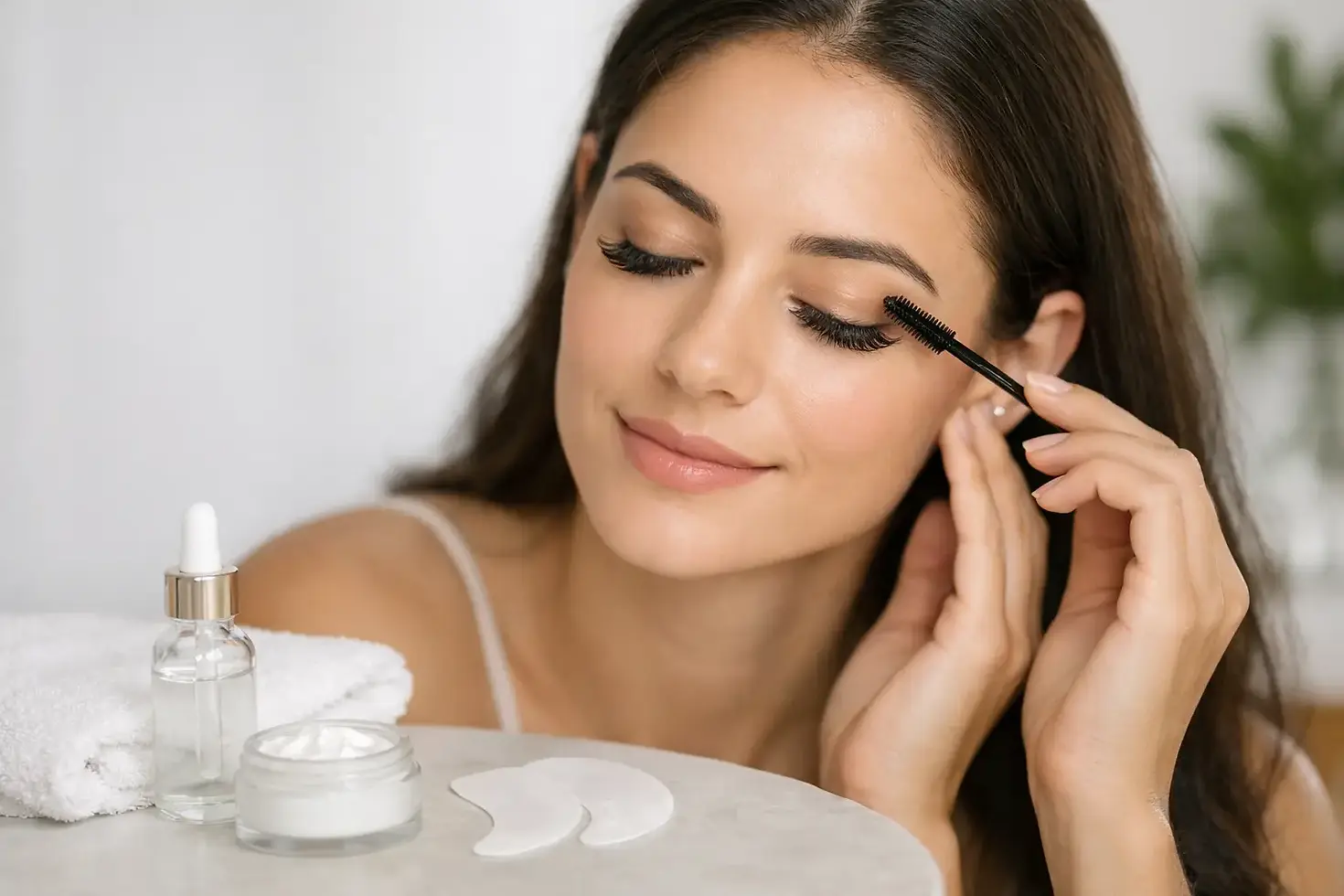
Lash Extensions Aftercare Guide That Works

The first 48 hours after a lash appointment can make the difference between lashes that stay full and polished for weeks and lashes that start shedding early. A good lash extensions aftercare guide is not about doing more. It is about doing the right things consistently so your extensions hold their shape, your bond stays strong, and your natural lashes stay healthy underneath.
At FL.BeautyBar, lash work is designed to look refined, soft, and customized to each client. Aftercare is what protects that result between fills. If you invest in premium lash extensions, the goal is simple - keep them clean, dry when needed, and undisturbed enough to last.
Lash extensions aftercare guide: the first 48 hours
Fresh lash adhesive needs time to fully cure. During that window, heat, steam, water, and friction can all interfere with retention. That means skipping long hot showers, saunas, steam rooms, and workouts that leave you drenched in sweat. A little daily life is fine, but direct moisture and heavy humidity are not your friend right away.
Sleeping position matters more than most clients expect. If you sleep face-down or press one side of your face hard into the pillow, you can twist or crush the extensions before they have settled. Back sleeping is ideal, and side sleeping with less pressure is better than stomach sleeping. A smooth pillowcase can also help reduce friction.
This early stage is also not the time to test products. Avoid mascara, eye creams that migrate, oil-based removers, and anything heavy around the lash line. If a product feels rich or slippery, keep it lower on the face for now.
Daily care that protects retention
Once the adhesive has cured, clean lashes actually last better than dirty ones. This surprises people, especially if they have been told to avoid washing lashes altogether. In reality, makeup residue, skin oils, sunscreen, and environmental buildup can weaken retention and create an unhealthy lash line over time.
Use a lash-safe cleanser and wash gently along the lash line. The goal is not aggressive scrubbing. It is light, consistent cleansing that removes buildup without pulling on the extensions. If you wear eyeliner, full-coverage makeup, or SPF close to the eye area, daily cleansing matters even more.
After washing, let the lashes air dry or use a small fan on a cool setting. Then brush them with a clean spoolie once they are dry. Brushing wet lashes too soon can cause them to stick together or shift out of place. A few seconds of patience here really does help them keep that soft, separated look.
What to avoid between fills
The biggest aftercare mistakes are usually about friction and oil. Rubbing your eyes, sleeping in heavy makeup, using cotton pads that snag, or applying creamy products too close to the lash line can all shorten the life of your set. Extensions are durable, but they are still attached to individual natural lashes. Repeated stress adds up quickly.
Oil is not always a complete disaster, but it depends on the formula and how close it gets to the adhesive bond. Some clients can use certain skincare products around the orbital bone with no issue. Others notice retention drops fast when richer creams migrate upward overnight. If your under-eye cream is very emollient, keep it farther from the lash line and apply sparingly.
Mascara is usually unnecessary with extensions, and most clients are happier without it. If you feel like you need mascara, that often points to a styling issue rather than an aftercare issue. A more tailored curl, length, or fullness at your next appointment may get you the look you want without adding product that can cause clumping or difficult removal.
A realistic lash extension aftercare routine
A simple routine works better than an overcomplicated one. In the morning, check for any lashes that shifted during sleep and lightly brush them into place once they are dry. If you shower in the morning, avoid directing strong water pressure straight onto the eyes.
At night, remove eye makeup carefully and cleanse the lash line with a lash-safe cleanser. Pat the area dry instead of rubbing. If you are using active skincare products like retinol, exfoliating acids, or heavier night creams, apply them with intention and keep them away from the base of the lashes.
If you work out often, spend time outdoors in Florida humidity, or wear makeup most days, your lashes may need a little more attention. Not more force - just more consistency. Sweat, salt, sunscreen, and oil buildup can all affect retention, so regular cleansing becomes part of keeping the set fresh.
How lifestyle affects your lashes
Not every client will get the same wear time from the same set, even with excellent aftercare. Natural lash growth cycles vary. Skin type matters. Climate matters. So does daily routine.
If your skin is oilier, you may notice faster separation at the base as oils break down the bond more quickly. If you are a side sleeper, one eye may shed faster than the other. If you wear contacts, rub your eyes during allergy season, or spend time in high humidity, your refill schedule may need to be a little tighter.
This is why customized lash work and realistic maintenance planning matter. A set that looks effortless still needs support from the right shape, the right weight, and the right fill timing. Longer-lasting beauty is rarely about one trick. It is usually the result of thoughtful application and steady aftercare working together.
When your lashes need a refill
A refill is not just about adding more lashes. It is about maintaining shape, balance, and lash health as your natural lashes cycle out. Most clients do best with fills every two to three weeks, but that timing depends on your retention and the style of your set.
If your lashes start looking sparse, uneven, or grown out, it is probably time. Waiting too long can mean there is not enough extension left to fill properly, which may require a full new set instead. If you love a consistently polished look, pre-booking your fills usually keeps things easier.
There is also a comfort factor. Extensions that have grown out too far can start to twist or feel less stable. Keeping up with maintenance tends to look better and feel better.
Signs your aftercare needs adjusting
If you are losing extensions in clusters, waking up with bent lashes every morning, or seeing buildup along the lash line, your routine may need a small reset. Early shedding can come from several causes, including excess moisture too soon, product interference, friction during sleep, or simply not cleansing well enough.
On the other hand, if lashes feel stiff, stuck together, or itchy, that can point to residue or poor home care. Clean lashes should feel light. They should not feel heavy or crusted.
If you are not sure what is affecting your retention, ask at your next appointment. Sometimes the fix is simple, like changing your cleanser, adjusting skincare placement, or brushing less aggressively. Good aftercare should feel manageable, not complicated.
The healthiest mindset for lash aftercare
The best lash extensions aftercare guide is one that protects both the extensions and the natural lashes underneath. That means avoiding the urge to pull at loose lashes, picking at grown-out areas, or trying to remove extensions at home. What looks like one extension often includes your natural lash in that bond. Tugging can create unnecessary damage.
Healthy lash wear is about balance. You want fullness and longevity, but not at the expense of lash integrity. A well-applied set paired with smart maintenance should feel lightweight, wearable, and easy to live with.
When aftercare is done well, lash extensions do what they are supposed to do - make your everyday routine faster while keeping your overall look polished. Keep the routine simple, stay consistent, and let your fills do the rest.


Comments