


Is 1 on 1 Lash Extension Training Worth It?

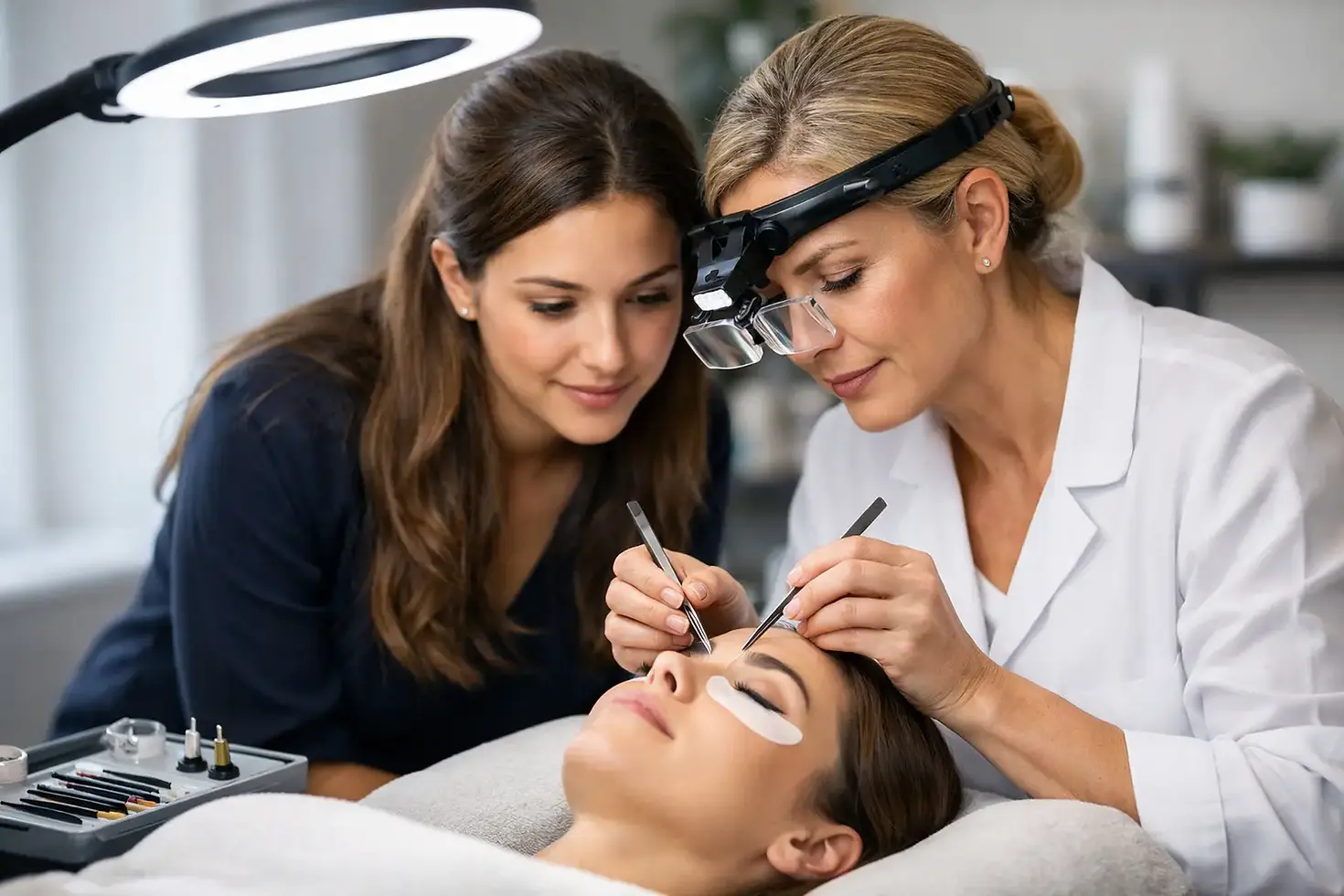
A mannequin can teach hand placement. A video can explain mapping. But neither can stop you mid-set, correct your isolation, and show you why your retention is slipping. That is where 1 on 1 lash extension training stands apart.
For new artists and licensed beauty professionals, private training offers something group classes often cannot - direct feedback in real time. When the goal is safe application, clean styling, and results that look polished rather than heavy, personalized education matters. Lash artistry is detailed work, and small mistakes tend to become expensive habits if no one catches them early.
Why 1 on 1 lash extension training feels different
The biggest advantage of 1 on 1 lash extension training is simple: the training adjusts to you. In a group setting, the instructor has to move at the pace of the room. In a private setting, the focus stays on your technique, your questions, and the areas where you need the most support.
That matters whether you are brand new or already offering lashes and trying to improve retention, styling, or speed. Some artists struggle with pickup and placement. Others can apply lashes but have trouble creating balanced sets for different eye shapes. Some need help with client consultation, fill strategy, or troubleshooting poor retention. Private instruction makes room for those differences.
It also tends to be more efficient. Instead of sitting through sections you already understand, you can spend more time on what will actually improve your work. For many students, that means more hands-on practice, more correction, and more confidence before taking clients.
Who benefits most from private lash training
1 on 1 training is often the best fit for students who want a tailored learning experience instead of a broad introduction. That includes beginners who feel intimidated by fast-paced classes, beauty professionals expanding their service menu, and artists who learned online but still do not feel fully confident.
It is also a strong option for working professionals. If your schedule is tight, private education can feel more practical because the day stays focused. You are not competing for the instructor's attention, and you are less likely to leave with unanswered questions.
There is one trade-off, though. Private training is usually a higher investment than a larger class. For many artists, the value comes from fewer gaps in learning and less time spent correcting bad habits later. Whether that trade makes sense depends on your budget, your timeline, and how quickly you want to start offering lash services with confidence.
What should be covered in 1 on 1 lash extension training
Not all trainings are built the same, so the structure matters. A quality private course should cover more than how to attach an extension to a natural lash. Strong education usually starts with sanitation, safety, and eye health because beautiful work means very little if the foundation is not safe.
From there, students should learn lash fundamentals such as weight selection, curl types, lengths, diameter, adhesive basics, and proper isolation. Mapping is another major piece. A set should be tailored to the client's eye shape, natural lash health, and desired finish. That is what separates customized artistry from one-style-fits-all application.
Hands-on practice should be a central part of the training. Watching a demonstration is useful, but actual skill develops through repetition with guidance. A trainer should be able to observe your posture, tweezer control, direction, spacing, and placement, then adjust your technique before those habits become fixed.
Business education can also make a real difference. Consultation flow, pricing, aftercare communication, refill scheduling, photography, and client expectations all affect long-term success. Great lash work is part of the business. The client experience is the other part.
What personalized feedback really improves
Private training tends to improve the areas that are hardest to fix alone. Isolation is one of them. New artists often think they are isolating correctly until they are shown where stickies are happening or why neighboring lashes are being affected. That level of correction is hard to get from prerecorded education.
Styling is another area where personal guidance helps. One client may want soft, natural definition, while another wants a fuller finish that still looks refined. Learning how to adjust your map based on facial features, eye shape, and natural lash density is easier when an instructor walks you through real examples.
Then there is speed. Most artists should not chase speed too early, but efficiency does matter once technique is safe and clean. In 1 on 1 lash extension training, the instructor can spot where time is being lost - too much adhesive, inefficient pickup, poor hand positioning, overchecking symmetry - and help tighten the process without sacrificing quality.
What to look for in a trainer
A polished social media page is not enough. If you are investing in private education, look for a trainer whose work reflects consistency, healthy application, and tailored results. Sets should look balanced, not overloaded. Retention advice should sound practical, not vague. Teaching should feel structured, not improvised.
Ask what the training includes and how the day is organized. Does it cover sanitation, lash health, consultation, mapping, application, and hands-on model work? Will you receive feedback during live practice? Is there any support after training if questions come up once you start working on clients?
It also helps to choose an educator whose style aligns with the work you want to create. If your goal is soft, customized sets that wear beautifully and protect natural lash health, your trainer should be known for that type of artistry. Technique and aesthetic go together.
At FL.BeautyBar, that standard is especially relevant because education should mirror the same premium, tailored approach clients expect from lash services themselves.
Is 1 on 1 lash extension training better than online learning?
It depends on how you learn and where you are in your career. Online education can be useful for theory, refreshers, and visual demonstrations. It is flexible, usually more affordable, and easy to revisit. For some artists, it is a helpful starting point.
But online training has limits. It cannot physically correct your hand placement or tell you in the moment that your extension is too heavy for the natural lash. It cannot assess your tension, your symmetry, or your room setup with the same accuracy as in-person coaching. If you are serious about building a lash business, private hands-on education often closes the gap between knowing and doing.
The strongest path may be a combination. Some students benefit from online pre-study, followed by in-person training where technique is refined under supervision. That approach can make the private session even more productive.
Signs the training is paying off
The results of good training show up quickly in your work. You start to understand why one set lasts better than another. Your placement becomes cleaner. Your sets look more even from eye to eye. Consultations feel less awkward because you know how to guide the client toward the right look.
You may also notice that your confidence changes. Not the kind that makes you rush, but the kind that helps you work with more intention. You stop guessing as often. You start recognizing what needs to be adjusted before the client leaves your bed.
That confidence matters because lash clients are detail-oriented. They want beautiful results, but they also want to feel safe, understood, and well taken care of. Training that sharpens both artistry and client communication tends to create stronger long-term retention in every sense of the word.
Making the investment make sense
If you are comparing education options, think beyond the upfront price. The real question is how quickly the training helps you produce clean, consistent work. A lower-cost class can still be expensive if it leaves major gaps. A private course can be the better value if it shortens the learning curve and helps you build a service clients trust enough to rebook.
That said, the best training for you depends on your goals. If you want a casual introduction, a group class may be enough. If you want focused support, a customized pace, and correction specific to your work, 1 on 1 training usually delivers more.
Lash artistry is a precision service. When your education is just as tailored as the sets you plan to create, the difference tends to show in every appointment that follows. Choose the kind of training that helps you build healthy technique first, because polished results are easier to grow from than habits you have to unlearn later.


Comments